
Services
At Redlands Osteopathy, we provide comprehensive care to support mobility, function, and overall well-being. Each treatment plan is tailored to the individual and focuses on addressing the root cause of discomfort, not just the symptoms. Explore our key areas of care below.
Osteopathy
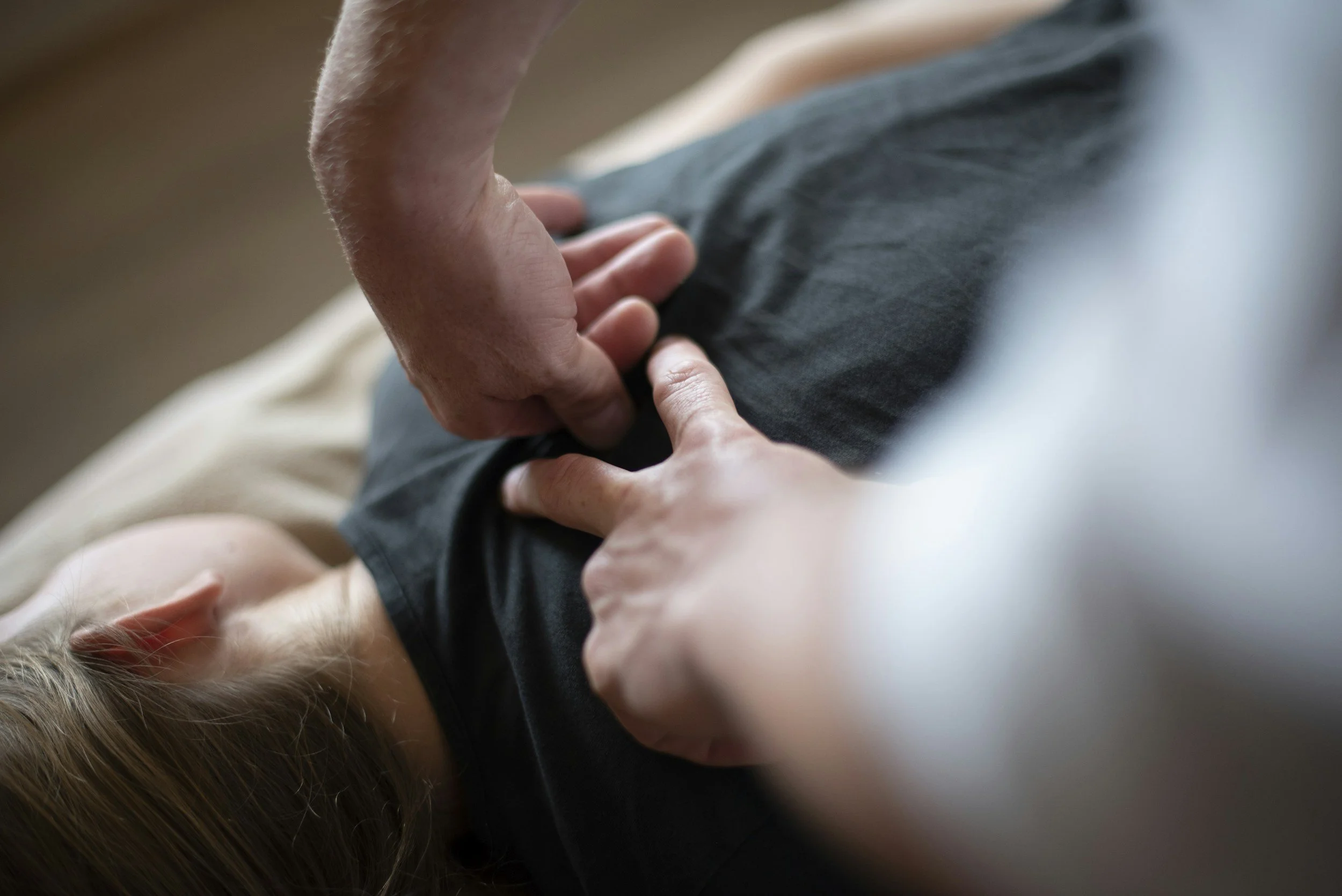
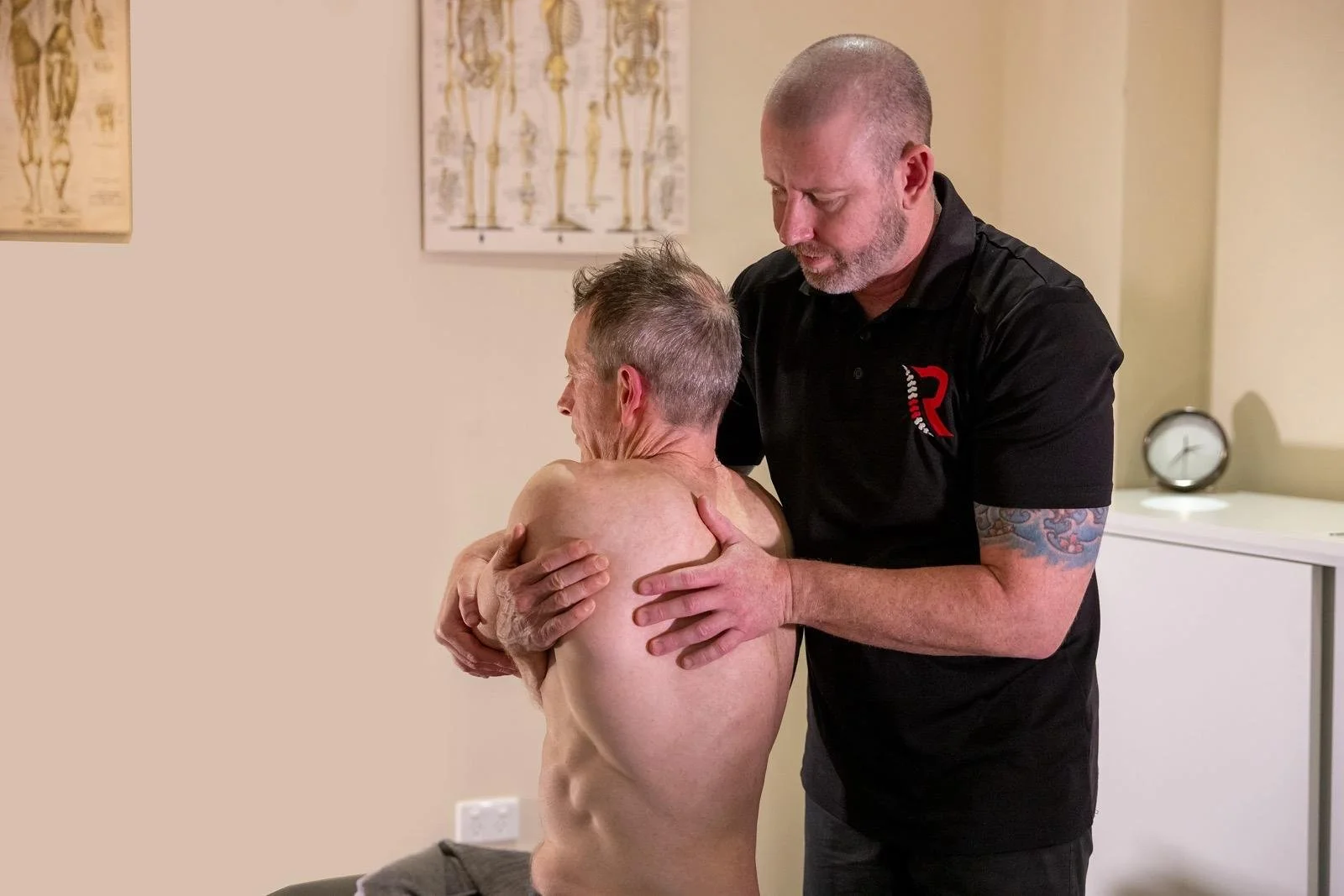
Osteopathy focuses on improving the body’s natural ability to move and function through gentle, hands-on techniques. Treatment addresses the connection between the body’s structure and how it operates, helping to reduce pain, improve mobility, and restore balance. Osteopaths consider the whole body when assessing and treating, ensuring each plan supports long-term health and functional improvement.
Hip Dysfunction
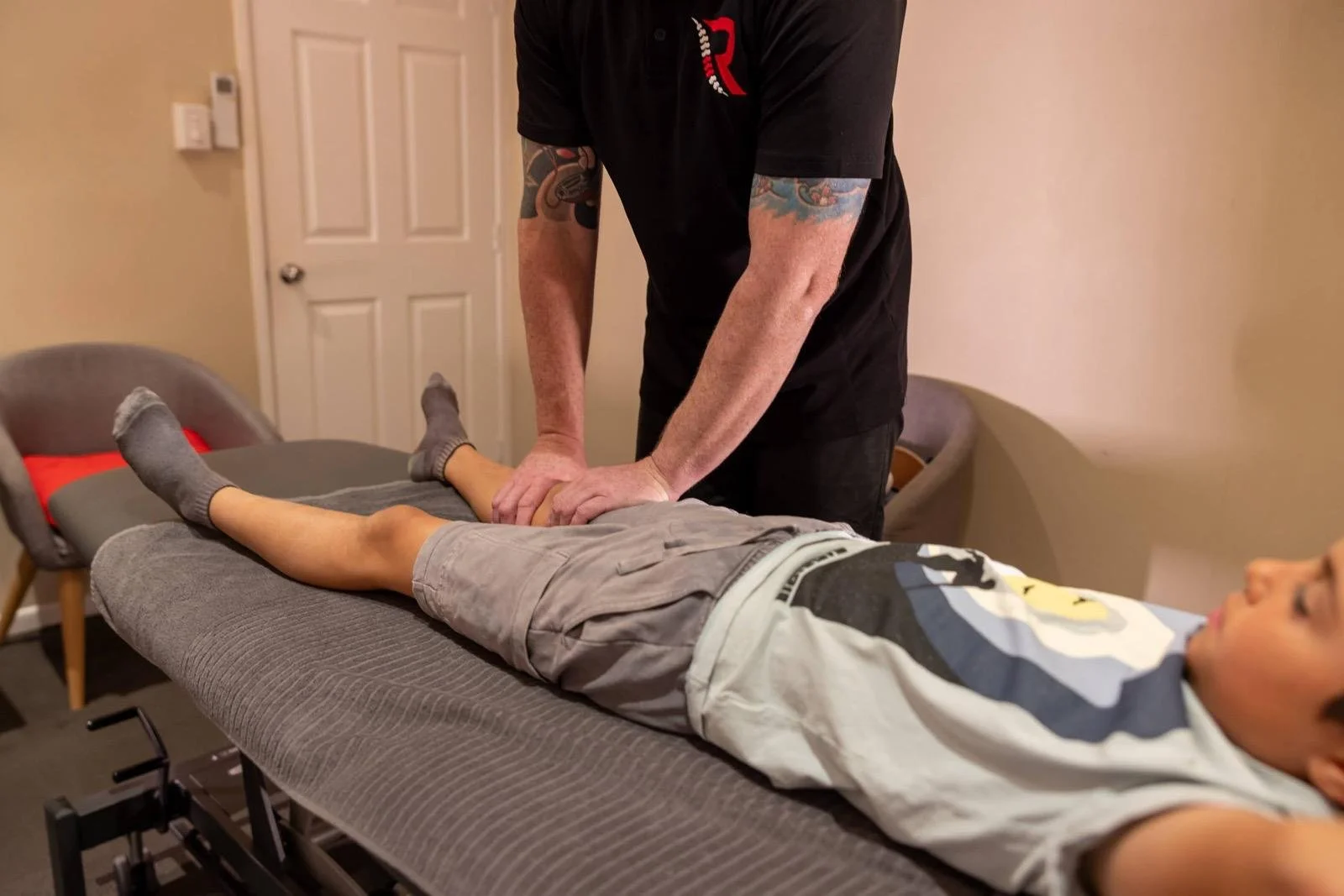
The hips play a crucial role in posture, movement, and stability. Whether caused by arthritis, injury, overuse, or postural imbalances, hip dysfunction can significantly affect daily life. Our osteopaths assess the structural and biomechanical factors contributing to discomfort and develop individualised treatment plans to restore range of motion, reduce pain, and support healthy movement patterns.
Pre and Post Operative Support
Osteopathic care before and after surgery can assist with recovery, improve mobility, and reduce compensatory strain in surrounding tissues. Our prehabilitation approach focuses on optimising movement and strength ahead of surgery, while post-operative support aims to restore function, manage scar tissue, and improve overall rehabilitation outcomes. Each program complements your medical or surgical treatment plan.
Sports and Occupational Injuries
Whether you are an athlete or have a physically demanding job, repetitive movements or acute injuries can take a toll on your body. Osteopathic treatment can help manage pain, promote faster recovery, and improve performance by addressing muscle tension, joint restriction, and biomechanical imbalances. We focus on restoring function and preventing re-injury through education, strengthening, and movement retraining.
Dry Needling
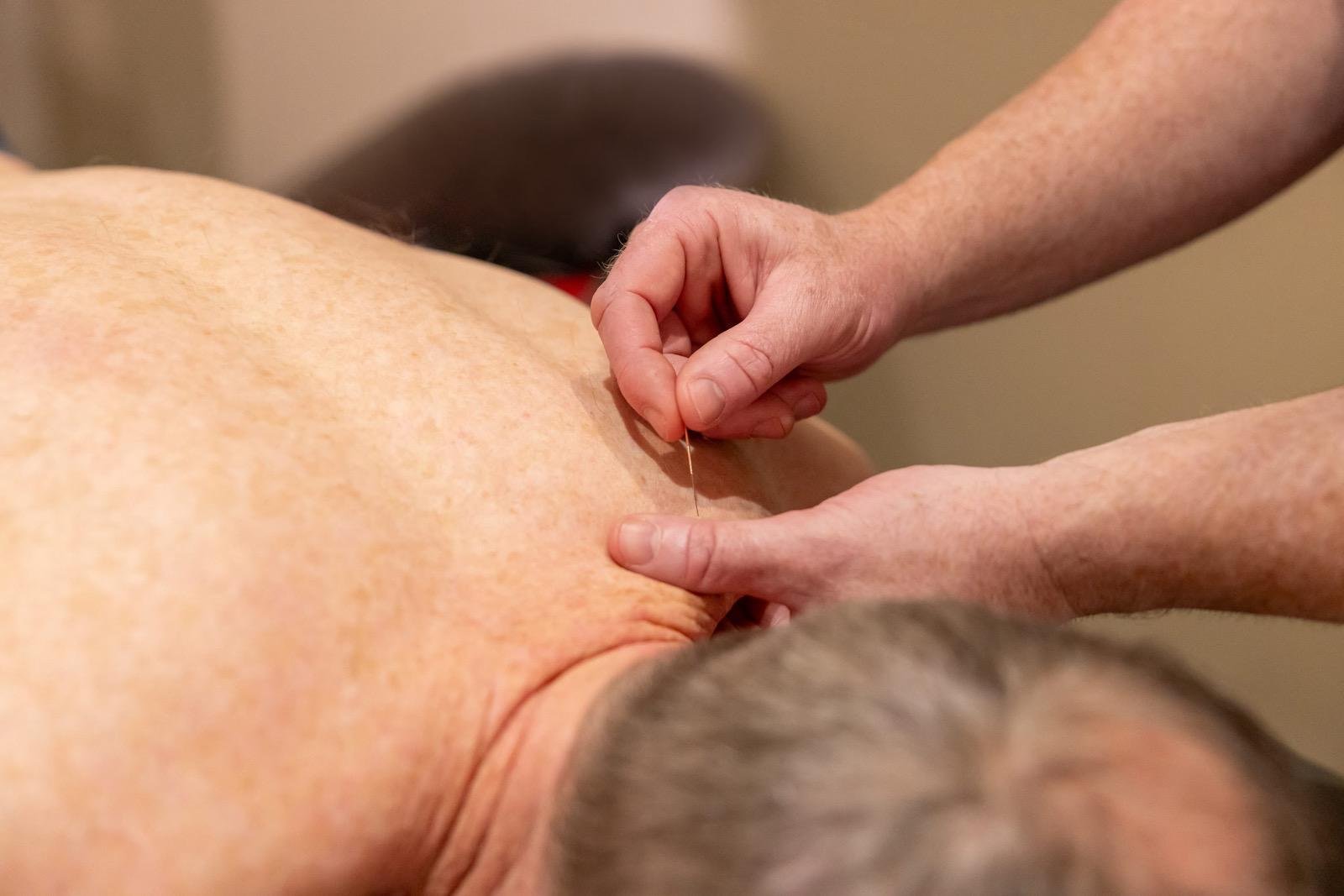
Dry needling is an evidence-based technique that targets myofascial trigger points, which are tight bands within muscles that can cause pain and restrict movement. Using fine, sterile needles, this approach helps release muscle tension, improve blood flow, and promote healing. When used alongside manual therapy, dry needling can enhance outcomes for chronic pain, sports injuries, and postural dysfunction.
Taping
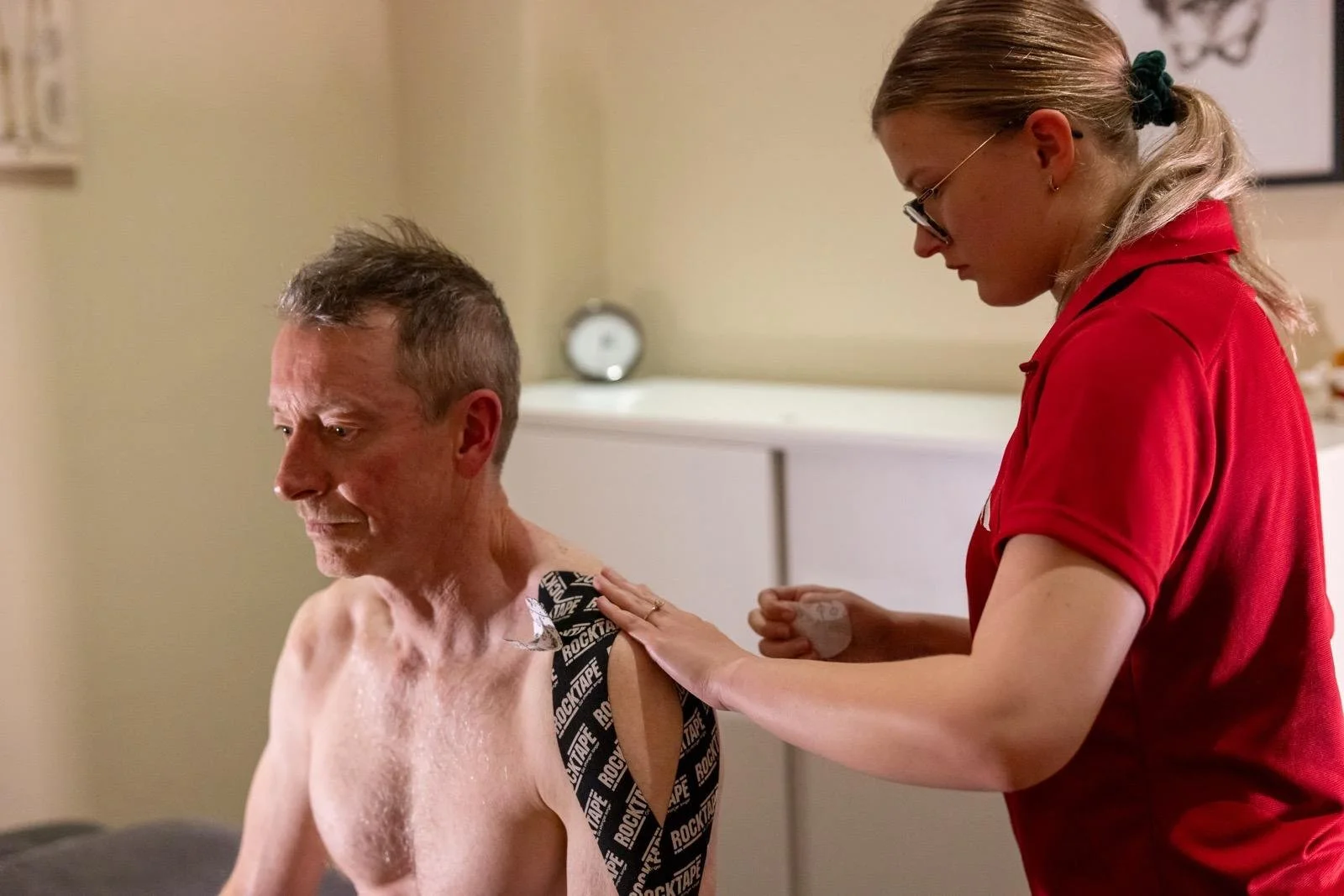
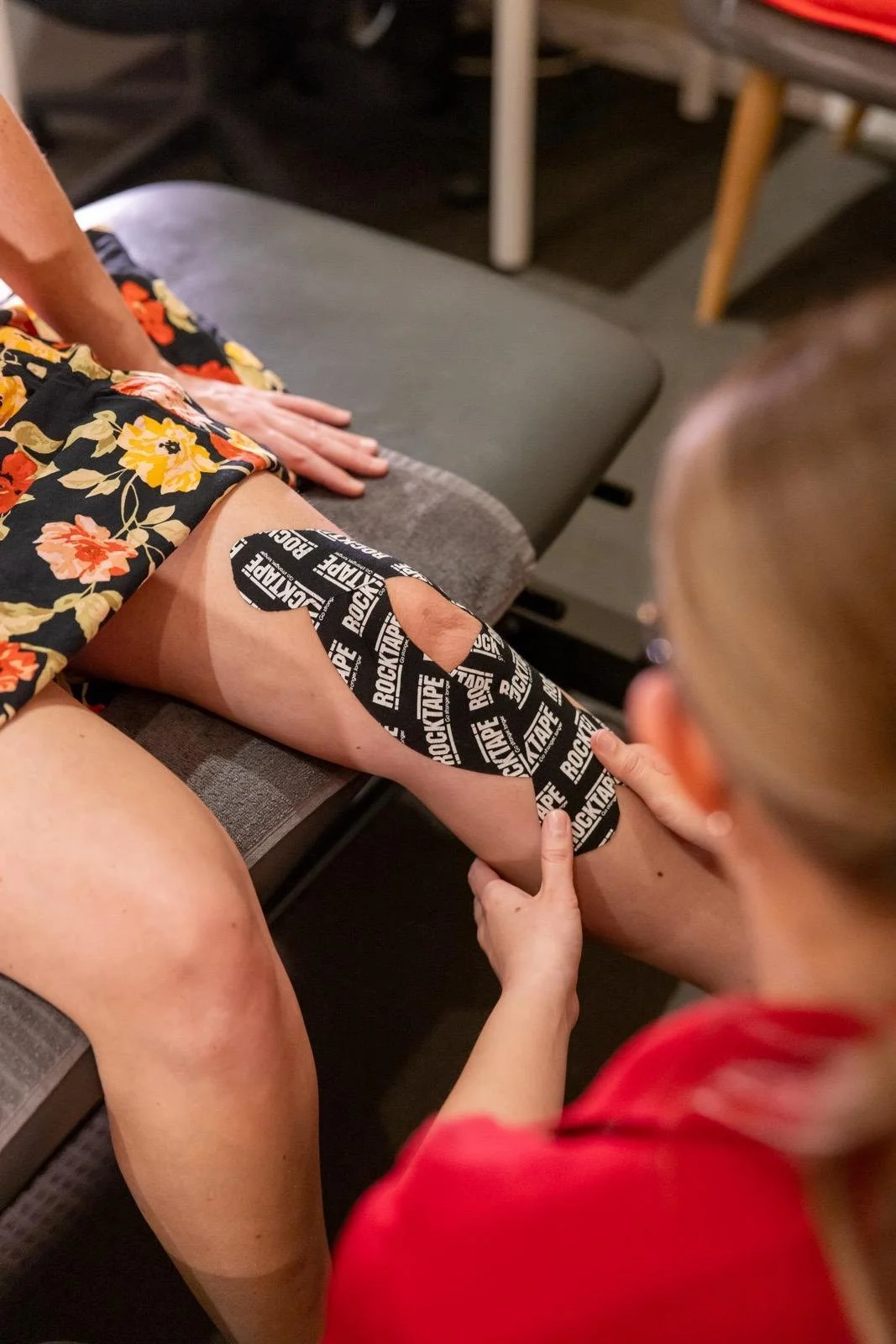
Taping is used to support injured or overworked muscles and joints, improve body awareness, and assist in recovery. Depending on your needs, we use a variety of taping techniques, from rigid sports taping for stability to flexible kinesiology taping for mobility and circulation. Taping can be an effective part of a broader treatment plan, helping to reduce pain and support movement between sessions.
Women’s Health and Pelvic Pain Disorders
Osteopathy offers a gentle and supportive approach to managing women’s health concerns, including pelvic pain, pre and post-natal changes, and hormonal or postural-related discomfort. By addressing musculoskeletal and visceral imbalances, osteopathic treatment can help relieve tension, improve circulation, and support pelvic function. We provide individualised care with sensitivity and respect for each patient’s needs and goals.
TMJ and TMD Treatment
Jaw pain and dysfunction, often referred to as TMJ or TMD, can cause headaches, facial pain, and difficulty with eating or speaking. Our osteopaths assess the relationship between the jaw, neck, and surrounding structures to identify contributing factors. Treatment focuses on relieving tension, improving joint alignment, and restoring comfortable, balanced jaw movement.
Low Back Pain
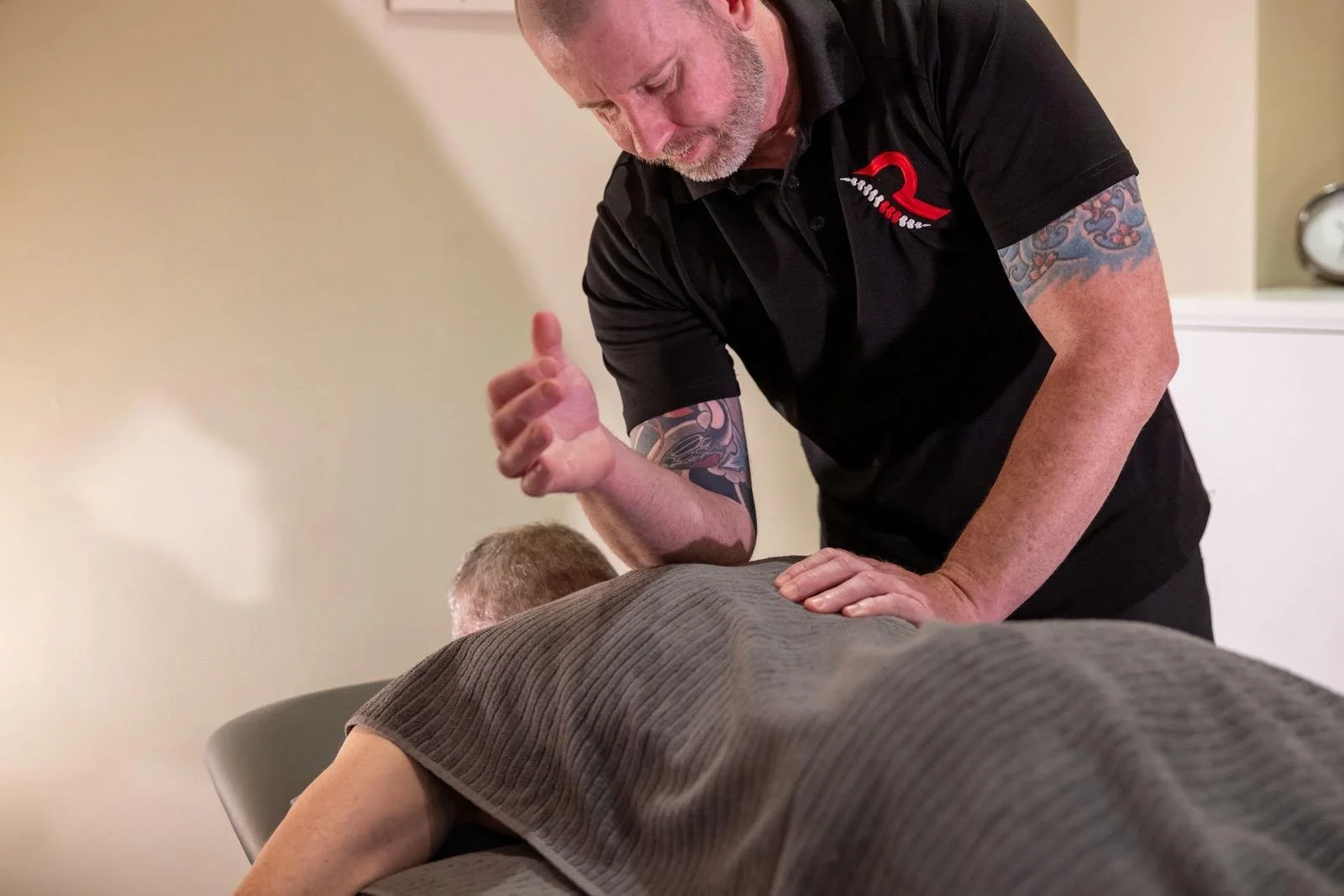
Low back pain is one of the most common reasons people seek osteopathic care. Whether from poor posture, injury, or underlying joint or muscular strain, osteopathy offers a comprehensive approach to identifying and treating the root cause. Through manual therapy, movement retraining, and tailored advice, we help restore comfort, improve flexibility, and prevent future episodes of pain.
Headache and Migraine
Headaches and migraines are often linked to tension, posture, or dysfunction in the neck and upper back. Osteopathic treatment can help by easing muscular tightness, improving joint movement, and reducing pressure on nerves and blood vessels. Our goal is to address both the symptoms and underlying causes, helping to reduce frequency and intensity over time.
GP Chronic Care Plan Arrangements
Patients referred by their GP under a Chronic Condition Management Plan (GPCCMP) may be eligible for Medicare rebates on osteopathic treatment. We work closely with referring doctors to ensure clear communication, coordinated care, and the best outcomes for patients managing long-term or complex conditions. Please speak with your GP to see if you qualify for this program.
DVA Services
Redlands Osteopathy proudly supports Department of Veterans’ Affairs (DVA) patients. Eligible veterans can access osteopathic care with no out-of-pocket expense when referred by their GP. Our team is experienced in providing gentle, effective treatment for musculoskeletal pain, mobility issues, and postural concerns to help improve comfort, independence, and overall well-being.
BOOK A SERVICE
•
BOOK A SERVICE •
FAQs
Wondering a bit more about what to expect? Here are a few more details you may have been pondering.
Don't have the answer to your question? Get in touch and ask anything! Just click here to fill in a contact form or just give us a call or text on 0414 002 047
-
Osteopaths are allied health professionals that offer patient-centred approaches to healthcare and functional improvement which recognise the important link between the structure of the body and the way it functions. Osteopaths focus on how the skeleton, joints, muscles, nerves, circulation, connective tissue and internal organs function as a holistic unit.
Osteopaths use a range of approaches to enhance function, including manual therapy (mobilisation, stretching, massage and manipulation for ligaments and joints), exercise therapy and programming, equipment prescription, lifestyle advice and patient education. Osteopaths determine the mix and frequency of treatment and management approaches using skilled clinical evaluation and diagnostic approaches.
In Australia, osteopaths are government registered practitioners who complete minimum accredited university training in anatomy, physiology, pathology, general healthcare diagnosis and osteopathic techniques.
Osteopaths are primary healthcare practitioners and are trained to recognise conditions that require medical referral. They are also trained to perform standard examinations of the musculoskeletal, cardiovascular, respiratory and nervous systems.
Source: Osteopathy Australia
-
Physiotherapists, chiropractors and osteopaths all take a slightly different approach to treatment.
Physiotherapy is focused on movement and function, often following injury or surgery, or when dealing with a physical disability. A physio uses massage, exercise, stretching and hands-on techniques to treat pain or dysfunction and to improve your mobility and flexibility.
Chiropractic treatment is focused on treating and preventing musculoskeletal problems throughout the body, using manual adjustment of the spine.
Osteopaths do all of the above in a gentle manner and focus on the health of the entire body and not just just the injured or affected part. They look at how your skeleton, joints, muscles, nerves, circulatory system, connective tissue and internal organs function as a whole body unit. You might see an osteo for a large range of issues including (but not limited to) back pain, headaches, sporting injuries or even digestive issues.
-
Osteopathy may be useful to address discomfort experienced in countless conditions. Though not limited to the following conditions, evidence indicates Osteopathy is particularly relevant to:
- Back Pain
- Neck Pain
- Headaches and Migraines
- Musculoskeletal Conditions during Pregnancy
- Treating children
- Pain Management
- Shoulder Complaints
- Craniofacial Pain in chronic rhinosinusitis
- Dysmenorrhea (Painful Periods)
- Ankle Sprains
- Pain related to Osteoarthritis
- Carpal Tunnel -
Not every Osteopath does dry needling, only around 40% of Osteos are trained to, and regularly use dry needling technique. Dry needling is not part of the curriculum in Osteopathic training and Practitioners must recieve extra training to safely administer the needles. Dr. Nicholas Ritter has undergone such training and can offer dry needling as part of his comprehensive treatments.